
10 Chronic Sleep Deprivation Symptoms You Should Never Ignore
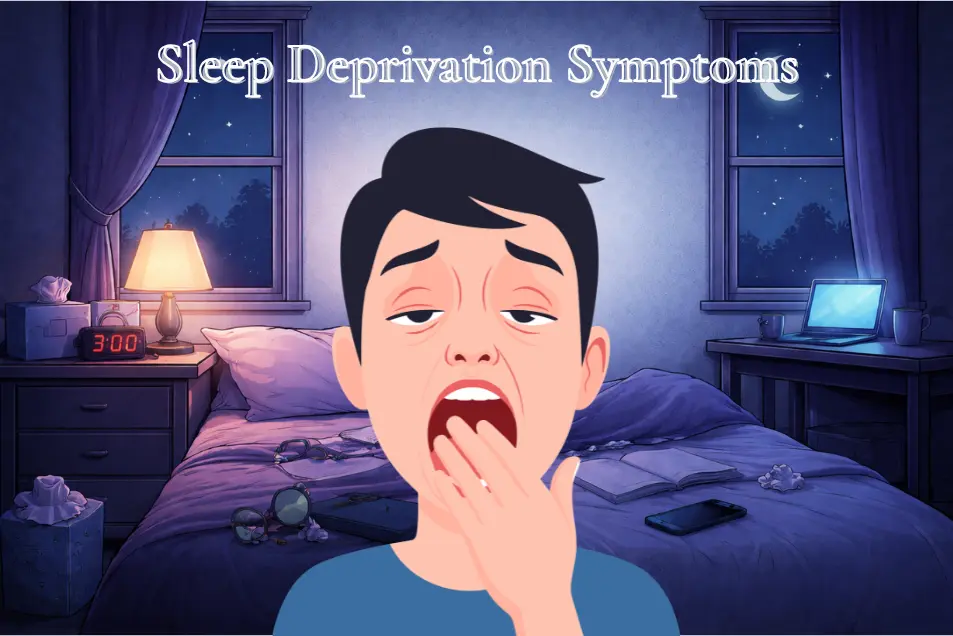
Sleep is one of the most essential pillars of good health, yet millions of people unknowingly sacrifice it every day. Whether it’s due to busy schedules, stress, lifestyle habits, or underlying health conditions, chronic sleep deprivation can silently impact both your physical and mental well-being.
While missing a night of sleep occasionally may not cause lasting harm, ongoing sleep deprivation can lead to serious consequences. Recognizing the warning signs early is crucial so you can take action before things escalate.
We’ll explore 10 chronic sleep deprivation symptoms, along with practical insights into managing and improving your sleep health.
What Is Chronic Sleep Deprivation?
Chronic sleep deprivation occurs when you consistently get less sleep than your body needs. Most adults require 7–9 hours of sleep per night, but if you’re regularly getting less than that, your body begins to accumulate what experts call “sleep debt.”
Over time, this deficit can lead to noticeable symptoms that affect your daily life, productivity, and long-term health.
1. Persistent Fatigue and Low Energy
One of the most obvious signs of sleep deprivation is constant tiredness. Even after a full night’s rest, you may feel drained and sluggish throughout the day.
This isn’t just normal tiredness—it’s a deeper, ongoing fatigue that impacts your ability to function efficiently. Tasks that once felt easy may start to feel overwhelming.
2. Difficulty Concentrating
If you find yourself struggling to focus, forgetting details, or losing track of conversations, sleep deprivation could be the culprit.
Your brain relies on sleep to process information and consolidate memories. Without enough rest, cognitive functions like attention, decision-making, and problem-solving begin to decline.
3. Mood Swings and Irritability
Lack of sleep can significantly affect your emotional stability. You may notice increased irritability, frustration, or even sudden mood swings.
Over time, chronic sleep deprivation can also contribute to anxiety and depression, making emotional regulation even more challenging.
4. Weakened Immune System
Sleep plays a vital role in maintaining a strong immune system. If you’re constantly falling sick or taking longer to recover from illnesses, poor sleep may be to blame.
Your body produces protective cytokines during sleep, which help fight infections and inflammation. Without adequate rest, your immune defenses weaken.
5. Increased Appetite and Weight Gain
Sleep deprivation can disrupt hormones that regulate hunger namely ghrelin and leptin. This imbalance often leads to increased cravings, especially for sugary and high-calorie foods.
As a result, chronic lack of sleep is closely linked to weight gain and even obesity.
6. Frequent Headaches
If you often wake up with headaches or experience them throughout the day, insufficient sleep might be contributing.
Sleep deprivation can affect neurotransmitters and blood flow in the brain, leading to tension headaches or even migraines in some cases.
7. Poor Skin Health
Your skin repairs and regenerates while you sleep. Without enough rest, this process is disrupted, leading to:
- Dark circles under the eyes
- Dull complexion
- Increased signs of aging
- Breakouts and inflammation
This is why sleep is often referred to as “beauty rest.”
8. Reduced Libido
Chronic sleep deprivation can lower your sex drive due to decreased energy levels and hormonal imbalances.
In men, it may even lead to reduced testosterone levels, while in women, fatigue and stress can diminish sexual interest.
9. Slower Reaction Time
Lack of sleep affects your reflexes and reaction time, which can be dangerous especially when driving or operating machinery.
Studies have shown that sleep-deprived individuals may perform similarly to those under the influence of alcohol in terms of reaction speed and alertness.
10. Increased Risk of Chronic Diseases
Perhaps the most serious consequence of prolonged sleep deprivation is its link to long-term health conditions, including:
- Heart disease
- Diabetes
- High blood pressure
- Stroke
Ignoring early warning signs can lead to severe health complications down the line.
When to Seek Help
If you’re experiencing multiple symptoms from this list, it’s important not to ignore them. Chronic sleep issues may require medical attention or lifestyle changes.
You can learn more about common sleep deprivation symptoms and how they relate to insomnia and other sleep disorders.
Effective Ways to Improve Sleep Quality
Addressing sleep deprivation involves both lifestyle adjustments and, in some cases, medical support. Here are some practical tips:
1. Maintain a Consistent Sleep Schedule
Go to bed and wake up at the same time every day—even on weekends.
2. Create a Relaxing Bedtime Routine
Activities like reading, meditation, or taking a warm bath can signal your body that it’s time to sleep.
3. Limit Screen Time Before Bed
Blue light from phones and laptops can interfere with melatonin production.
4. Watch Your Diet
Avoid caffeine, heavy meals, and alcohol close to bedtime.
5. Optimize Your Sleep Environment
Keep your bedroom cool, dark, and quiet for better sleep quality.
Medical Support and Treatment Options
For individuals dealing with severe insomnia or chronic sleep deprivation, lifestyle changes alone may not be enough.
In such cases, professional guidance and medication may be necessary. Options like sleep deprivation treatment can help regulate sleep patterns when used responsibly under medical supervision.
Online platforms like Online Care Pharmacy provide access to trusted medications and resources, making it easier for individuals to manage their sleep health conveniently and safely.
Final Thoughts
Sleep deprivation is more than just feeling tired; it’s a serious condition that can impact every aspect of your life. By recognizing these 10 warning signs early, you can take proactive steps to protect your health and well-being.
Don’t ignore what your body is trying to tell you. Prioritize your sleep, make necessary lifestyle adjustments, and seek help when needed. Because in the end, quality sleep isn’t a luxury, it’s a necessity for a healthier, happier life.

Leave a Reply